
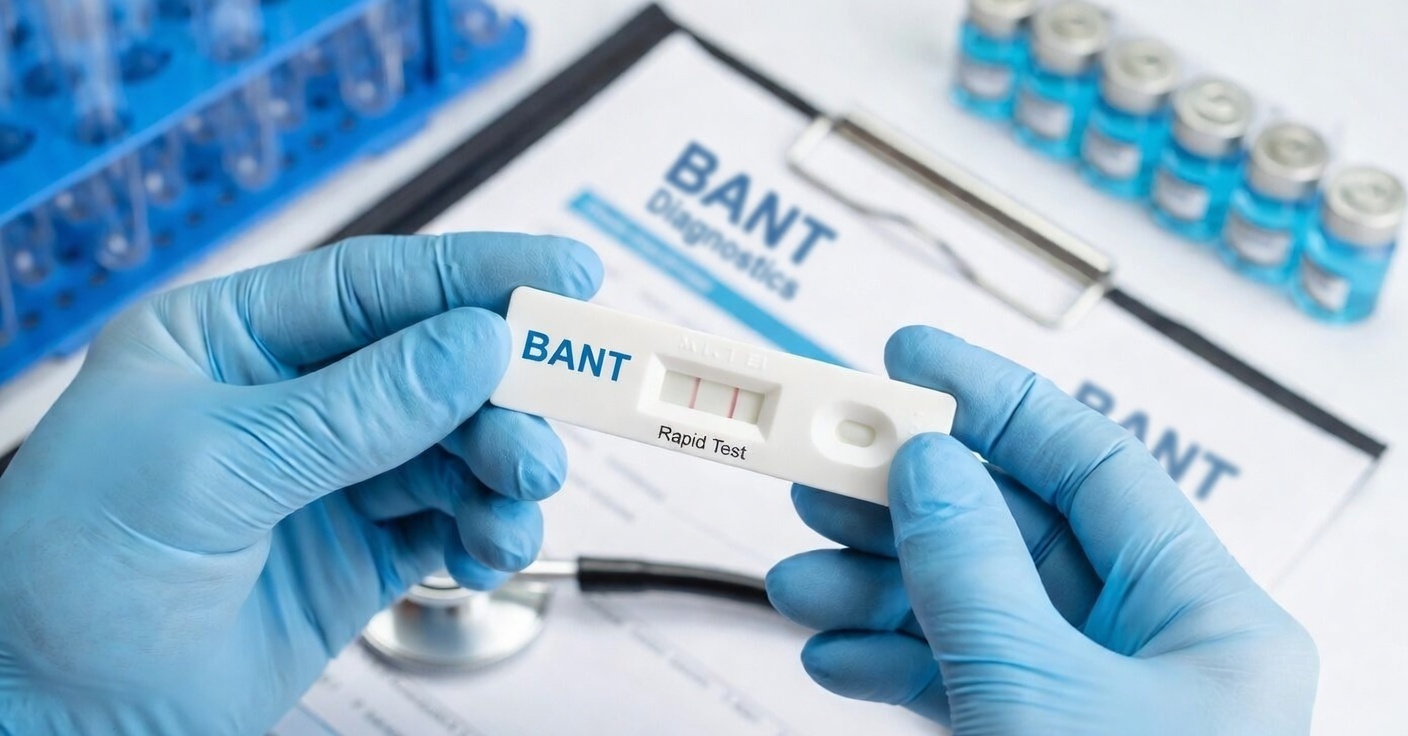
The project, led by the UAB Department of Chemistry in collaboration with Universidade Eduardo Mondlane, will promote training in diagnostics, bioanalysis and bioanalytical nanotechnology through accessible, sustainable methodologies adapted to resource-limited settings.
The Fundació Autònoma Solidària has awarded the project 5th Bioanalytical Nanotechnology School (BANT School), promoted by the Department of Chemistry of the Universitat Autònoma de Barcelona and led by Professor Isabel Pividori Gurgo, in collaboration with Universidade Eduardo Mondlane (UEM) in Mozambique.
This new edition of the BANT School will be particularly significant, as it marks the 15th anniversary of this international training initiative. The project aims to strengthen local capacities in diagnostics and bioanalysis through a school focused on accessible, low-cost techniques adapted to settings with limited technical and economic resources.
The training programme will prioritise methodologies based on microscale chemistry, portable instrumentation, chemical sensors and diagnostic tools aligned with the REASSURED principles and the One Health perspective. In this way, the BANT School seeks to contribute to improving access to reliable analytical information beyond centralised laboratories and to promote diagnostic solutions that are useful in local contexts.
The initiative builds on the consolidated trajectory of the BANT School in academic and scientific cooperation, grounded in scientific solidarity, knowledge exchange and capacity building. The proposal also aims to ensure the continuity of collaboration between the UAB and partner institutions in Mozambique, while promoting training and research oriented towards real needs in health, the environment and community wellbeing.
The project has been selected under the 43rd Call of the UAB Solidarity Fund, managed by the Fundació Autònoma Solidària, which supports university cooperation and global justice education initiatives. The call promotes knowledge exchange, the strengthening of academic and research capacities, and the development of collaborative relationships with institutions in the Global South.
